

Introduction
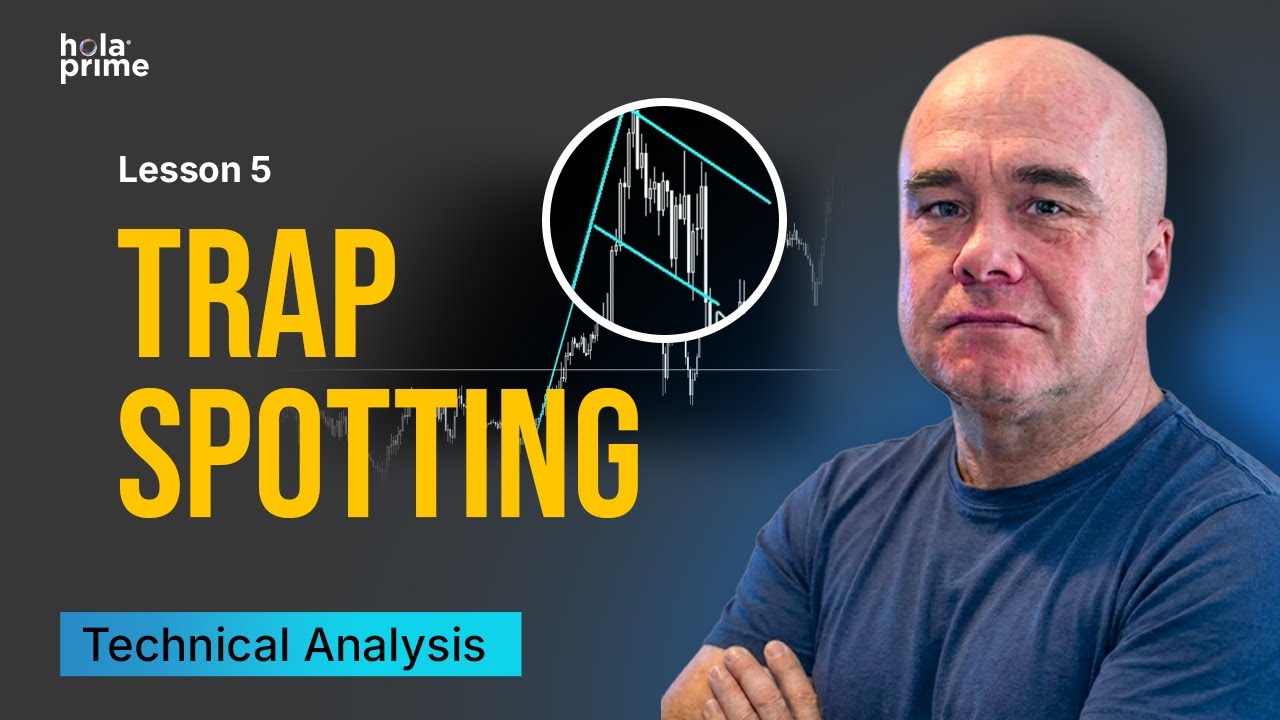
Traders are often drawn to patterns like bullish flags, head and shoulders, or triangles because they offer a simple, visual way to understand the market without complex mathematics. However, a common mistake is having a "one-way mindset" where a trader assumes a pattern must work. In reality, a failed pattern is itself a powerful signal—it indicates that many traders are caught on the wrong side of the market and a sharp move in the opposite direction is likely.
The Psychology of Failed Patterns
Markets are essentially binary over the long term.
-
The Trap: When an obvious pattern (like a bullish flag) breaks in the "wrong" direction, buyers are forced to sell their positions to mitigate losses.
-
The Cascade: This selling begets more selling, often leading to a precipitous drop as the market reacts to the failure of the initial signal.
Example: The Bullish Flag Failure
The video illustrates this using the USD/CAD pair on a 15-minute chart.
-
The Setup: A strong move higher followed by consolidation looked like a classic bullish flag.
-
The Failure: Instead of continuing the uptrend, price broke significantly below the bottom of the flag.
-
The Result: Within 30 minutes of that breakdown, the price dropped about 50 pips right back to the beginning of the "flagpole".
Adapting to Changing Conditions: Trend Line Breaks
One of the biggest killers of trading careers is the failure to adapt to changing conditions.
-
ASX 200 Example: After a strong summer trend in 2018, the index broke its support line. While a typical trader might have kept "buying the dip," the astute trader recognized the shift and avoided an 800-point plunge over the following months.
The Importance of Higher Time Frames
Before trading a pattern on a short-term chart, you should always consult the higher time frames.
-
Context Matters: A consolidation pattern that appears bullish on a short-term chart might be forming right against a major resistance area on the weekly chart. Checking the weekly view can help you avoid "fake outs" that trap overly aggressive traders.
Whipsaws and Recovery: The Gold Example
Sometimes a pattern breaks out in the expected direction only to fail immediately.
-
The Whipsaw: On a 30-minute gold chart, a bullish flag broke out to the upside but quickly pulled back into the flag and then broke out the bottom.
-
The Pivot: An astute trader might take a small loss on the initial long trade but immediately switch to a short position once the bottom of the flag breaks, often making back their losses and much more.
Non-Binary Markets: When Indices Defy Patterns
Certain assets, like stock indices, are not designed to go down as easily as they go up.
-
Index Weighting: Indices like the S&P 500 are often weighted by company worth. If a few massive companies (like Nvidia) are rising, they can lift the entire index regardless of what smaller stocks are doing.
-
Nikkei 225 Example: A bearish pennant formed in March 2023 but never broke lower. Because the market broke the "wrong way" (to the upside), it signaled a major change in attitude, leading to a massive rally.
Universal Stop-Loss Placement for Patterns
Most patterns are essentially forms of consolidation after a major move.
-
General Rule: Your stop-loss should typically be placed on the other side of the consolidation.
-
Logic: If the price moves to the opposite side of a flag, triangle, or head and shoulders pattern, the story the market was telling has changed, and it is time to exit the position.
.png)
.png)
.png)

.png)
.png)
.png)