
When you begin trading futures, you will discover one difference from stock or forex trading: every futures contract has an expiration date, at which time it is simply either resolved through cash settlement or by physical delivery of the underlying asset; however, this rarely happens as traders either dissolve their position or rollover their contract. If you are new to futures, you may find expiry and rollover sort of confusing at first, but these terms are very important as you manage your open positions and consider your strategy.
How Futures Expiry and Rollover Work: A Trader’s Guide
Think about it like renting a home for a limited period. When your lease was over, you could either move out (allow it to expire) or re-sign a lease agreement (choose to roll the existing contract into another one). Futures work in a similar manner. An agreement is in force for a limited time, and at the end of that time, you can either allow it to expire or choose to roll it over to a new agreement. Let’s address this in more detail.
What Is a Futures Contract Expiry?
Every futures contract comes with a predefined expiration date, which is the last day the contract can be traded. After this date, the contract is settled based on the rules of the exchange. Depending on the type of contract, this settlement can happen in two ways: physical delivery or cash settlement.
Physical delivery is exactly what it sounds like. If you hold a crude oil futures contract until expiry and don’t close or roll it over, in theory, you’re agreeing to receive barrels of oil. Of course, most retail traders don’t actually want physical commodities showing up at their doorstep. So they either square off the position or roll it forward before expiry.
Cash settlement, on the other hand, is more straightforward. If you’re trading something like an index futures contract, it usually settles in cash based on the final settlement price set by the exchange. No actual transfer of the underlying asset takes place.
The key here is that you can’t simply ignore the expiry date. Exchanges have strict timelines, and brokers usually send multiple reminders as contracts near expiry. If you hold positions till the last moment, they’ll be settled automatically, whether you’re ready or not.
Why Futures Contracts Expire?
The idea behind futures is to represent a real, standardized agreement between buyers and sellers for a future date. These contracts are tied to real delivery cycles, financial calendars, or economic events. For example, agricultural futures follow crop cycles, while financial futures align with quarterly reporting and macro cycles.
This structure keeps the market organized. Expiry prevents contracts from running indefinitely and ensures that price discovery remains anchored to real market events. It’s also why you’ll often see increased volatility as expiry dates approach - traders, institutions, and hedgers are all adjusting their positions, leading to sharper movements and higher volume.
What Happens as Expiry Approaches?
The days leading up to expiry can get interesting. Liquidity gradually shifts from the expiring contract to the next active one, which is where rollover comes into play. Prices between the two contracts can also differ slightly, creating what’s known as a “spread.” This difference is often influenced by factors like interest rates, storage costs, or seasonal expectations.
You’ll often notice traders talk about “front month” and “next month” contracts. The front month is the one closest to expiry and usually sees the highest volume until it starts shifting toward the next contract. As expiry gets closer, traders with open positions have to make a decision - either exit the position or roll it over.
What Is Rollover in Futures Trading?
Rollover is the process of moving your open position from the expiring contract to a later-dated one. You do this by closing your existing position and opening a new one in the next active contract month.
For example, imagine you’re long on the December crude oil contract, and it’s the second week of December. Instead of letting it expire, you can close that December contract and simultaneously open a position in the January contract. This allows you to maintain your exposure to crude oil without interruption.
Most brokers and trading platforms make this easy. Some even offer a single “roll” button, which simplifies the process of rolling the futures contract. But it’s still important to understand what’s happening under the hood. A rollover isn’t free - the price difference between contracts can work for or against you, depending on market conditions.
Why Traders Roll Over Contracts?
There are several reasons why traders roll over positions rather than letting them expire.
For active traders, it’s mainly about continuity. If you’re running a strategy based on longer-term trends, you don’t want your position to vanish just because the contract date is ending. Rolling over lets you stay in the trade while avoiding forced settlement.
For hedgers and institutions, rollover is part of standard portfolio management. They might be hedging physical exposure or managing longer-dated financial positions, so shifting to the next contract keeps their hedge intact.
Rollover can also help avoid unnecessary costs. Physical delivery involves logistical expenses, and cash settlement can trigger unwanted capital adjustments. By rolling over early, traders can manage these outcomes on their own terms.
When Is the Right Time to Roll Over?
There isn’t a single rule that fits everyone, but most traders prefer to roll over a few days before the official expiry. This is when liquidity begins to migrate, and spreads between the front and next month contracts are still manageable.
Waiting until the very last moment can create slippage because fewer participants are trading the expiring contract. On the other hand, rolling over too early might mean dealing with wider spreads or missing short-term opportunities.
Many traders rely on rollover calendars provided by exchanges or brokers. These calendars list contract expiry dates and the “first notice day,” which is particularly relevant for physical contracts. Once the first notice day hits, if you’re still holding a long position, you’re essentially signaling you’re ready to take delivery - and most traders want to avoid that scenario.
Real-World Example: Index Futures Rollover
Let’s take the example of Nasdaq futures. These contracts expire on a quarterly basis - March, June, September, and December. Institutional traders often begin rolling over positions about a week before the actual expiry date. You’ll see volume gradually shifting from the current quarter to the next one.
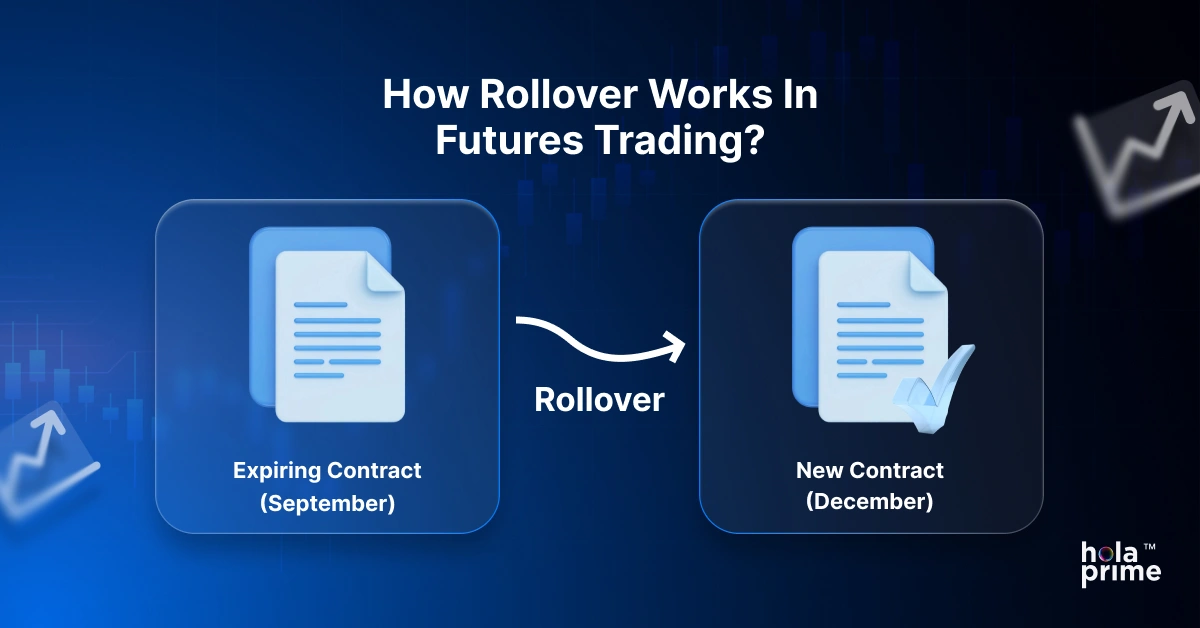
If you held a long position in the September Nasdaq futures contract, you would likely close that contract in the second week of September and simultaneously open a long position in the December contract. The price difference between the two contracts may vary slightly due to expected interest rates and carry costs, and this transition allows for uninterrupted exposure.
Key Takeaways for Traders
Understanding expiry and rollover isn’t just theoretical - it has real trading implications. Here are a few things to keep in mind:
- Always track expiry dates for your open contracts
- Know whether the contract is physically settled or cash-settled
- Plan your rollover in advance, ideally when liquidity is shifting
- Factor in the price difference between contract months
- Use rollover calendars to avoid accidental delivery situations
Missing an expiry or rolling over without understanding the cost can lead to unnecessary losses. A bit of preparation can save a lot of trouble.
Conclusion
While futures expiry and rollover may seem complicated, once you understand how they work, it becomes second nature in your regular trading process. Whether you are in the form of a day trader, swinging trader, or even managing a longer-term exposure, the way that you roll over or manage expiry is an important part of keeping control over your trade.
Just like you would renew a lease before it expires, rolling over a futures contract keeps you from missing a beat. As long as you understand the process and the timing, you will not get caught by surprise or create a last-minute problem.

About the Author: Sam Saleh
Sam Saleh, a London-based trader, began his trading journey at 19 while studying Business at the University of Bedfordshire. With expertise in trading and a background in marketing, he now coaches at Hola Prime, where he develops educational content aimed at building trader confidence, consistency, and financial literacy.
FAQs
Still Have Questions?
Feel free to get in touch with us today!

If you stick your contract out to expiry, it will automatically go through settlement. If it is a cash-settled contract, you will receive the amount below/above your entry price and final settlement price. If it is a physical settlement, you'll have to deal with the underlying deliveries, which I believe most retail traders do not want to do.
Yes, traders frequently roll a position multiple times when following a long trend, for example. Each time you roll over, you are rolling your exposure to the next active contract month without closing a trading strategy.
There usually is! The price between the expiring contract and the next contract is usually favorable or unfavorable to you. This price difference is called the rollover cost of the contract and can be driven by interest rates, carrying costs, or seasonal expectations.
Most traders start rolling over a few days before expiry when liquidity starts shifting to the next month's contract. Waiting until the last moment can lead to slippage and wider spreads, while rolling over too early might not always capture the best pricing.
Yes. Each exchange sets its own expiry dates, settlement rules, and first notice days. Commodities, indices, and currencies may all have different timelines. Always check the specific contract specifications to avoid surprises.
Disclaimer
All information provided on this site is for educational purposes only, related to trading in financial markets. It is not intended as financial advice, business or investment recommendation, or as an opportunity or recommendation to trade any investment instruments. Hola Prime only provides an educational environment to traders, including tools, materials and simulated trading platforms which have data feed provided by Liquidity Providers. The information on this site is not directed at residents in any country or jurisdiction where such distribution or use would be contrary to local laws or regulations.