Have you ever been watching the futures market, everything seems calm, and then - boom - prices jump or drop within seconds? That’s the world of event-driven trading. For futures traders, knowing how key economic events like FOMC meetings, CPI releases, or weekly oil inventory reports influence prices can mean the difference between a smooth trade and a costly mistake. These events create volatility, yes, but also opportunity - if you know what you’re looking at.
Event-driven trading isn’t about predicting the future. It’s about being prepared for it. Every headline can trigger a wave of buying or selling. And if you’re not ready, that wave can sweep you off your feet. But if you are, it can carry you to some of the most profitable moves in the market.
What Event-Driven Trading Really Means
Simply put, event-driven trading is reacting to scheduled or unexpected market-moving events. Central bank meetings, inflation reports, employment numbers, or geopolitical developments - all of these can shake futures markets in a heartbeat. But here’s the trick: it’s not about guessing. It’s about anticipating how the market is likely to respond.
For instance, traders don’t just look at a Fed rate decision. They watch the words. A single “cautious” or “aggressive” in a statement can swing S&P 500 futures in minutes. That’s why experienced traders often wait a few minutes after an announcement before committing - the initial chaos can be misleading.
Why These Events Matter So Much
Events act as catalysts. They force traders to rethink positions, rebalance portfolios, and sometimes hit the panic button. Take CPI, for example. If inflation comes in hotter than expected, futures linked to bonds, equities, or gold can spike or tumble in the blink of an eye.
And yet, it’s not random. Markets tend to overreact first, then correct. That’s your opportunity. The better you understand these patterns, the more you can ride the volatility instead of being crushed by it.
FOMC Meetings: The Big Movers
Few events move futures like the Fed’s FOMC meetings. Interest rates are the heartbeat of the markets. When the Fed raises or cuts rates, it doesn’t just shift borrowing costs - it shifts expectations. Equities, gold, bonds, and even currencies respond immediately.
But here’s a reality check: the rate decision itself is rarely the full story. The tone of the statement hints at future policy, and even the Fed chair’s press conference matters just as much. I remember a week last year when the S&P 500 futures jumped almost 2% in the first five minutes after a Fed announcement - all because the language suggested a slower pace of rate hikes.
Pro tip: don’t overreact in the first few minutes. Let the market digest the news. Smaller positions, wider stops, and patience are your best friends during FOMC days.
CPI Reports: Reading Inflation Moves
CPI reports are the inflation thermometer. High CPI readings can spark fears of rising interest rates, while low readings hint at a looser monetary policy. Both can create sudden futures market swings.
Think back to a CPI release a few months ago. Bond futures tanked, gold shot up, and equity futures took a dive - all within fifteen minutes. Traders who waited for the initial volatility to settle before entering had a much cleaner trade.
Here’s a tip: look beyond the headline number. Core CPI, which strips out volatile items like food and energy, often gives a better sense of where policy might head. And remember, during CPI week, liquidity can thin out, so keep your positions reasonable.
Oil Inventories: Weekly Surprises
For energy traders, the weekly U.S. crude oil inventory report is like a mini-FOMC. It tells you whether supply and demand are balanced or imbalanced. Draws can push oil prices higher; builds can push them lower. And because oil touches so many markets - from heating oil to the dollar - the ripple effect can be huge.
Managing Risk Around Events
Here’s where many traders fail. Volatility can be brutal. Liquidity dries up, spreads widen, and slippage eats profits. If you’re trading a prop account, one misjudged event trade can hit your drawdown limit in seconds.
The best approach is preparation. Reduce position sizes, use wider stops, and wait for post-event clarity. Keep your emotions in check. Remember, just because the market moves fast doesn’t mean you have to. Sometimes, standing aside is the smartest move.
Tips for Event-Driven Trading
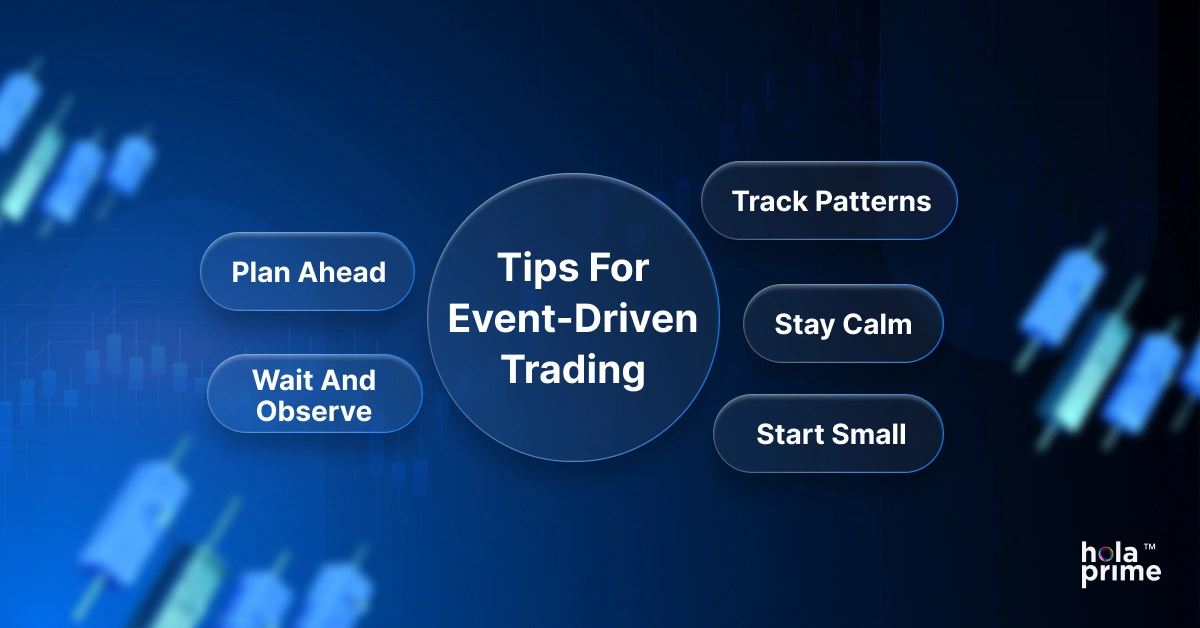
- Plan Ahead: Check the economic calendar and know what’s coming.
- Start Small: Trade lighter during high-impact events.
- Wait and Observe: Let initial volatility settle before entering.
- Track Patterns: Notice how markets reacted in similar past events.
- Stay Calm: Emotional reactions often lead to mistakes.
Key Takeaways
Event-driven trading is about preparation, observation, and timing. You don’t need to guess numbers; you need to understand how markets react. FOMC, CPI, and oil inventory reports are powerful, predictable catalysts - if you know how to read them. Discipline, risk management, and patience are your allies. Master these, and you can turn market chaos into opportunity.

 EN
EN DE
DE